English description below:
SIMCA (FIAT) 8 SPORT 1200 COUPÉ SPECIAL – 1951
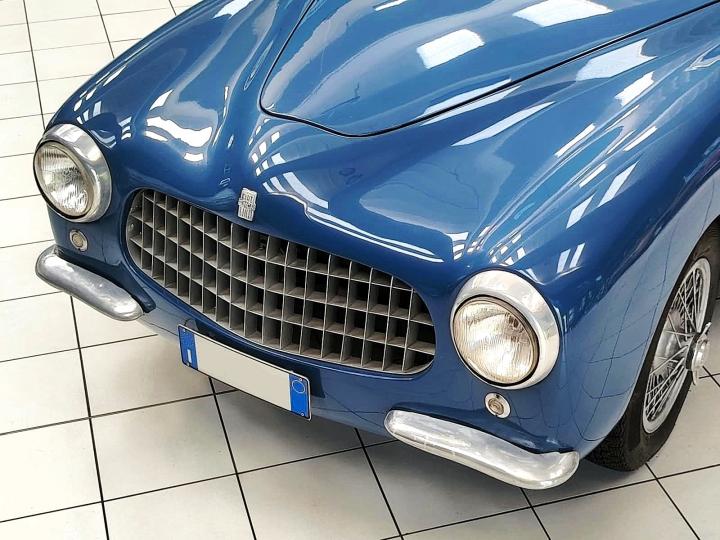
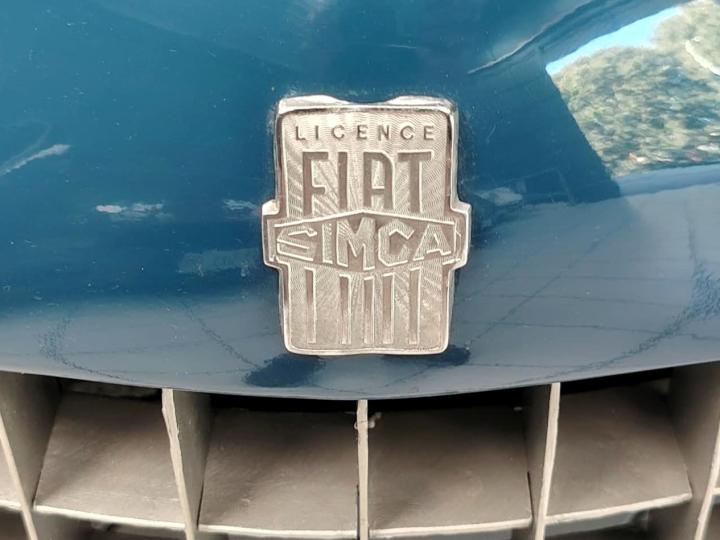
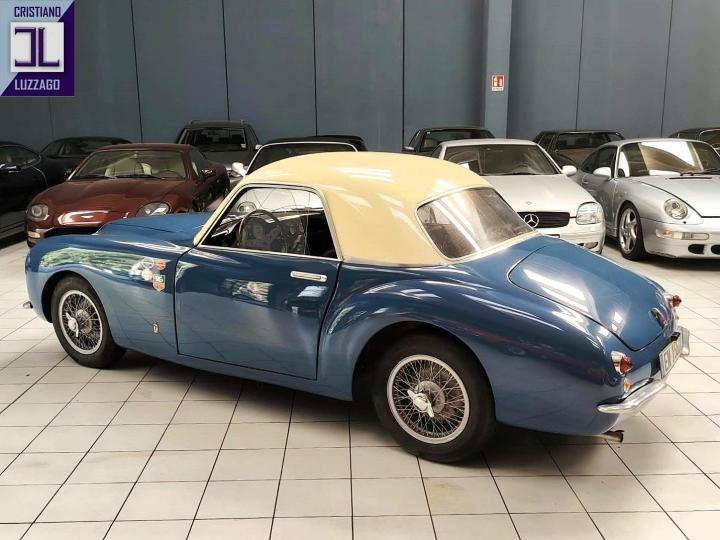
Rara ed elegante Simca 8 Sport 1200 Coupé del 1951, costruita in Francia dalla SIMCA, azienda storicamente legata alla Fiat e produttrice di autovetture Fiat su licenza, su base meccanica derivata dalla Fiat 1100/Simca 8.
La Simca 8 Sport rappresenta una delle più interessanti espressioni dell’automobilismo francese del secondo dopoguerra: una vettura sportiva di produzione relativamente limitata, caratterizzata da una raffinata carrozzeria di concezione italiana e dalla meccanica Simca di origine Fiat. Il progetto nacque dalla collaborazione e dall’influenza degli Stabilimenti Farina e venne sviluppato per la produzione in Francia da Facel-Métallon, la prestigiosa carrozzeria che negli anni successivi sarebbe diventata celebre anche per le automobili Facel Vega. La linea, elegante e aerodinamica, appartiene alla grande stagione del design italiano del dopoguerra e presenta evidenti affinità stilistiche con la contemporanea Cisitalia 202. l’Automobile Ancienne+1
Il modello fu presentato al pubblico alla fine degli anni Quaranta e la produzione della 8 Sport si sviluppò nei primi anni Cinquanta, con carrozzerie coupé e cabriolet. Per la versione coupé, la carrozzeria leggera in alluminio e le proporzioni particolarmente equilibrate contribuirono a fare della vettura una delle più affascinanti Gran Turismo francesi della sua epoca. La produzione terminò nel 1952, quando la 8 Sport lasciò il posto alla nuova Simca 9 Sport, costruita su una piattaforma di concezione differente.
Caratteristiche tecniche
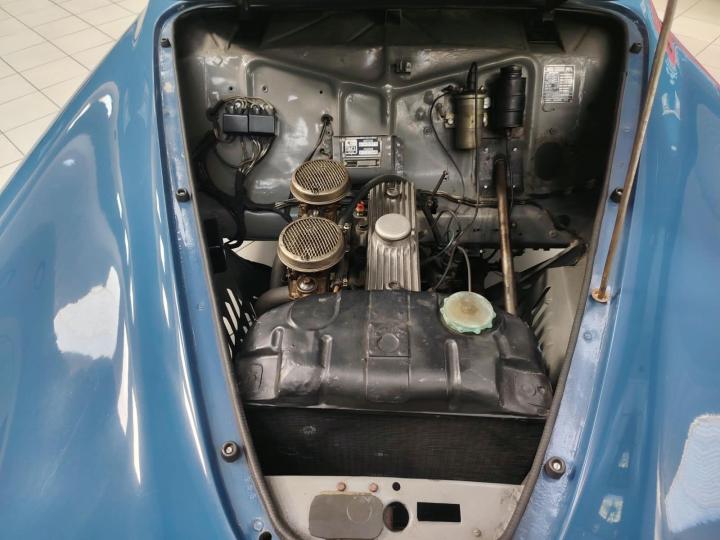
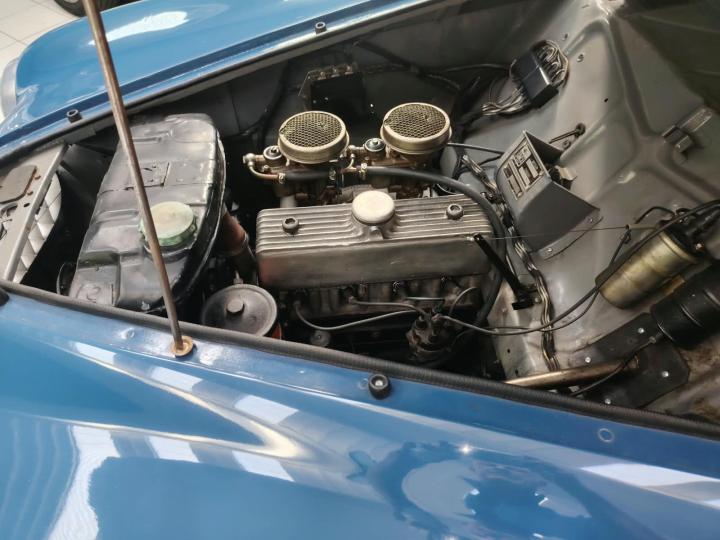
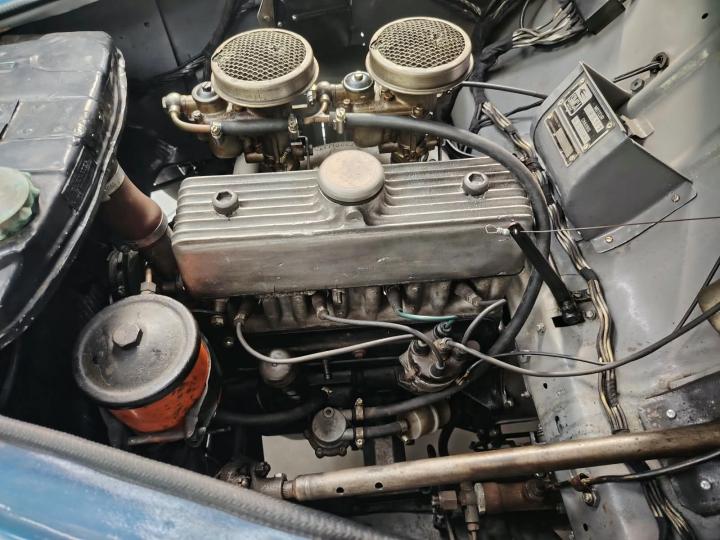
La Simca 8 Sport 1200 utilizza un motore a quattro cilindri in linea di 1.221 cc, alimentato da carburatore Solex, con una potenza indicativa di circa 50 CV a 4.800 giri/min. La trasmissione è manuale a quattro rapporti, con comando a pavimento, e la trazione è posteriore. L’impianto frenante è a tamburi sulle quattro ruote. La carrozzeria in lega leggera contribuiva al contenimento del peso, nell’ordine di circa 900 kg a seconda delle configurazioni e delle fonti. Tra i dati tecnici comunemente riportati per il modello figurano un passo di circa 2.420 mm, una lunghezza di circa 4,10 metri, una larghezza di 1,55 metri e un’altezza di circa 1,30 metri. La velocità massima dichiarata è nell’ordine dei 135 km/h, valore considerevole per una vettura sportiva di questa cilindrata all’inizio degli anni Cinquanta. OldtimerPhotography+1
La versione del 1951 appartiene a una fase particolarmente interessante dell’evoluzione del modello. La 8 Sport coupé aveva inizialmente un parabrezza diviso in due parti; nel corso dell’evoluzione venne adottato un parabrezza curvo in un unico elemento, mentre alla fine del 1951 la calandra venne ulteriormente aggiornata. Questi dettagli permettono di collocare con maggiore precisione i diversi esemplari all’interno della breve storia produttiva della 8 Sport.
Rarità e interesse storico
La produzione complessiva della Simca 8 Sport, considerando coupé e cabriolet e tutte le versioni del modello, è generalmente indicata in circa 5.165 esemplari, costruiti nell’arco di una produzione relativamente breve. Il numero, già contenuto all’origine, e la conseguente sopravvivenza di un numero molto più limitato di vetture complete e correttamente conservate rendono oggi la 8 Sport un’automobile di particolare interesse per i collezionisti.
La vettura unisce inoltre diversi elementi di particolare interesse storico: la derivazione Fiat della meccanica, la produzione francese, la carrozzeria Facel-Métallon, il progetto legato alla tradizione Farina e la stretta parentela stilistica con alcune delle più celebri vetture sportive italiane del periodo. Si tratta quindi di una vettura rappresentativa dell’intenso scambio tecnico e stilistico tra Italia e Francia nel periodo immediatamente successivo alla Seconda guerra mondiale.
Le certificazioni storiche
Un elemento di particolare rilievo per questo specifico esemplare è rappresentato dalla sua documentazione storico-certificativa.
Nel 2016 la vettura è stata sottoposta all’esame della Commissione ASI, ottenendo l’Omologazione ASI con Targa Oro, uno dei riconoscimenti più importanti nel panorama italiano della certificazione delle automobili storiche. Alla stessa vettura è stata inoltre rilasciata la Fiche d’Identité FIVA, attestazione internazionale dell’identità storica del veicolo.
La presenza congiunta della Targa Oro ASI e della Fiche d’Identité FIVA costituisce quindi un elemento di particolare interesse nel dossier della vettura, poiché documenta formalmente il riconoscimento della sua identità e rilevanza storica da parte di due importanti sistemi di certificazione dell’automobilismo storico.
Storia documentata dell’esemplare
Questa rara Simca 8 Sport, costruita in Francia su licenza Fiat, è stata importata in Italia negli anni 2000, entrando a far parte di una importante collezione di automobili storiche.
Durante la permanenza in Italia è stata sottoposta a un restauro integrale, del quale è disponibile una documentazione fotografica completa dei lavori eseguiti. Il restauro è stato portato a termine nel 2012, anno nel quale la vettura è stata inoltre immatricolata per la prima volta in Italia.
Dal completamento del restauro, la vettura ha percorso solamente 350 km, dato che conferisce particolare interesse alla sua storia conservativa e testimonia l’utilizzo estremamente limitato successivo al ripristino.
Nel 2016 è stata sottoposta all’esame della Commissione ASI, ottenendo sia la Targa Oro ASI sia la Fiche d’Identité FIVA.
Partecipazioni alla Vernasca Silver Flag
Dopo il restauro, la vettura ha partecipato a tre edizioni della Vernasca Silver Flag, rispettivamente nel 2013, 2014 e 2018.
La Vernasca Silver Flag è la rievocazione storica della cronoscalata Castell’Arquato–Vernasca, disputata originariamente dal 1953 al 1972. L’evento moderno non è una gara a cronometro in senso stretto, ma una manifestazione dinamica dedicata alla conservazione e alla valorizzazione delle automobili storiche da competizione, che vengono condotte lungo il percorso originale chiuso al traffico.
Le tre presenze della Simca 8 Sport alla manifestazione costituiscono pertanto un ulteriore elemento qualificante della sua storia recente e confermano che, dopo il restauro, la vettura è stata utilizzata in contesti dinamici e di grande rilievo nel panorama internazionale delle auto storiche.
La Simca 8 Sport nelle competizioni
Il modello possiede tuttavia una reale e documentata storia sportiva nel periodo d’origine.
Le Simca 8 Sport furono infatti impiegate in competizioni e rally già nei primi anni Cinquanta. Particolarmente significativa fu la partecipazione al Rallye Monte-Carlo del 1950, nel quale furono schierate vetture Simca 8 Sport da 1.221 cc preparate da Amédée Gordini. Una Simca 8 Sport 1221 condotta da José Scaron e R. “Pascal” concluse al 4° posto assoluto, mentre un’altra Simca 8 Sport 1221, affidata a Eugène Chaboud e Marc Angelvin, ottenne il 5° posto assoluto. Nella stessa manifestazione una Simca 8 Gordini di cilindrata inferiore conquistò inoltre il 3° posto assoluto.
Il database storico di Racing Sports Cars registra inoltre per la Simca 8 Sport 17 presenze in 14 eventi tra il 1950 e il 1954, con due secondi posti e un terzo posto tra i risultati complessivi presenti nel suo archivio, oltre a una vittoria di classe. Si tratta tuttavia di un database che precisa di non essere esaustivo di tutte le competizioni disputate dal modello.
Sono documentate anche partecipazioni in altri eventi internazionali, comprese competizioni negli Stati Uniti, a conferma del fatto che la 8 Sport non fu semplicemente una elegante coupé stradale, ma possedeva caratteristiche sufficienti a renderla competitiva anche nell’attività sportiva dell’epoca.
Sintesi
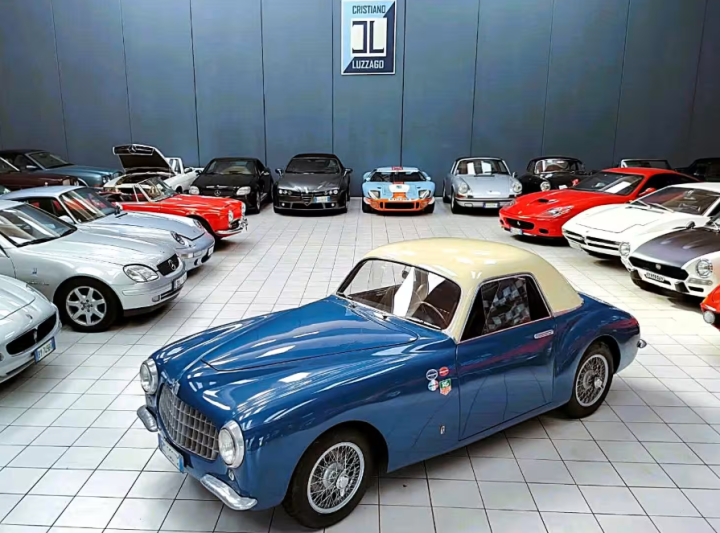
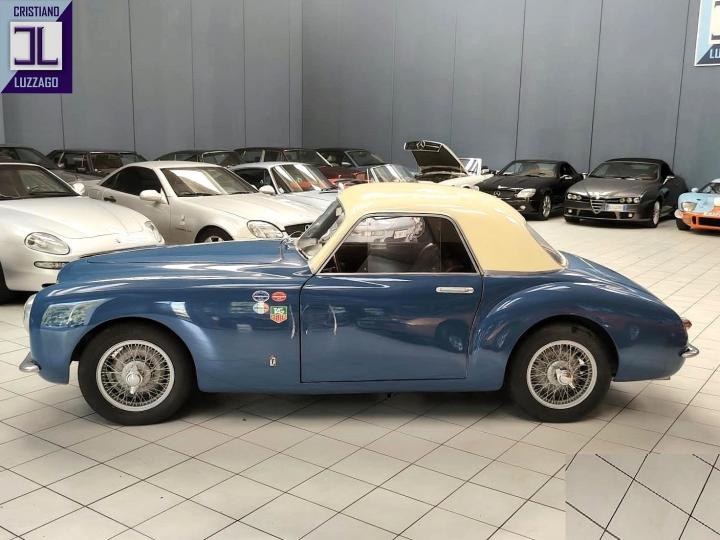
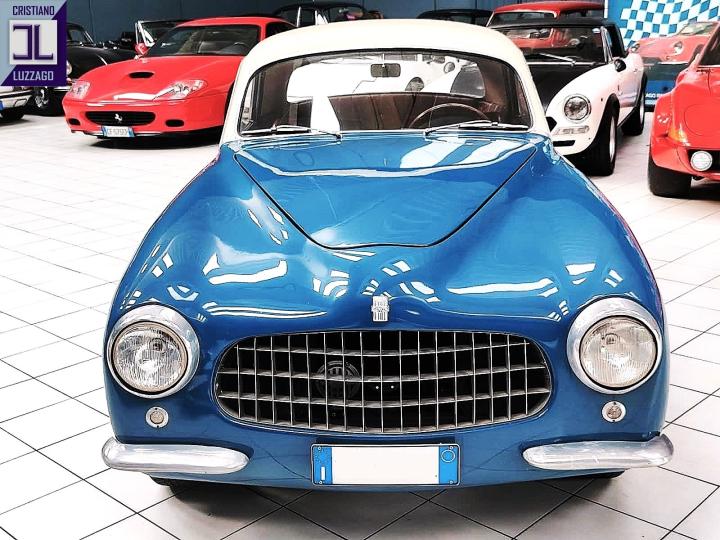
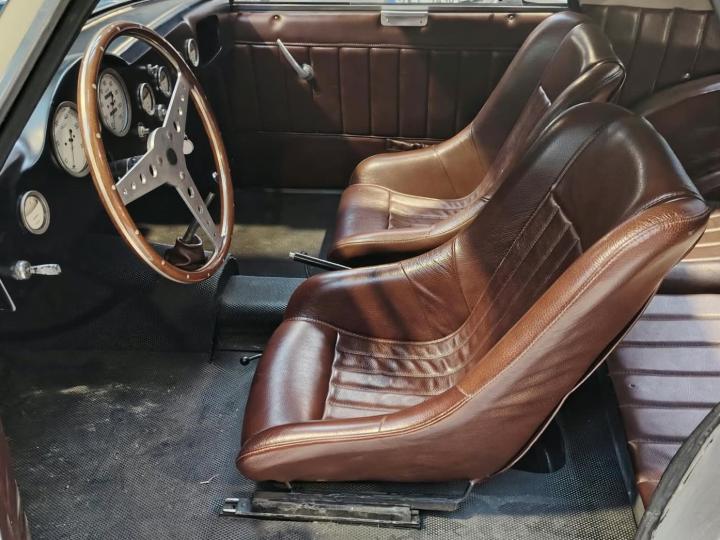
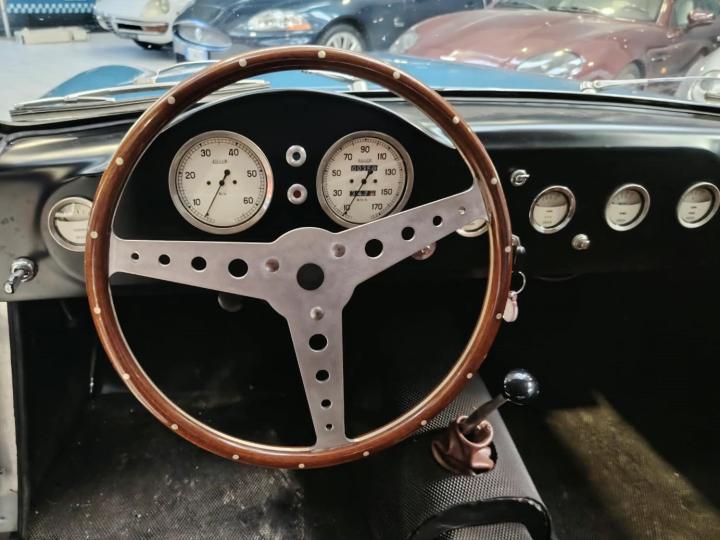
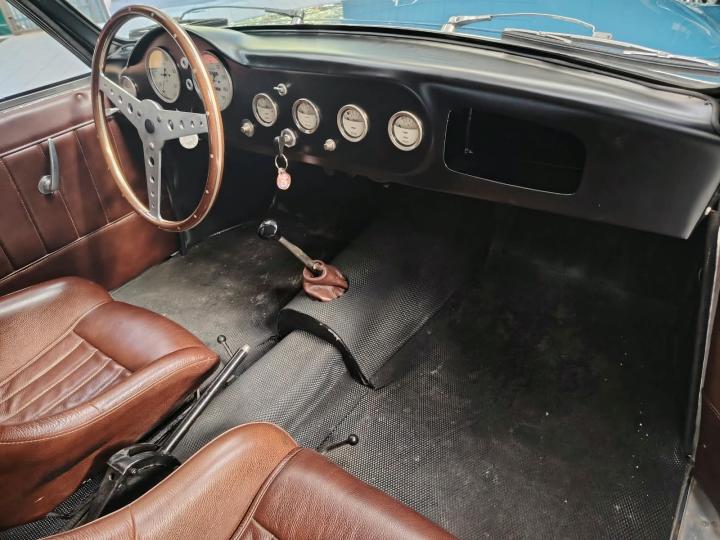
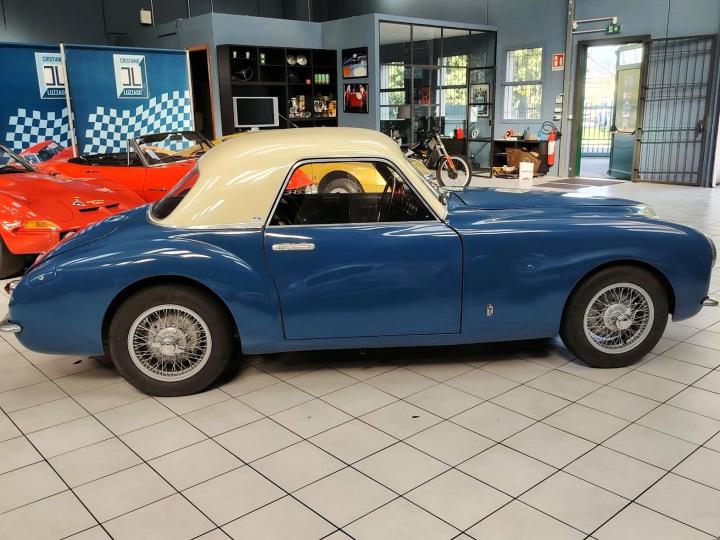
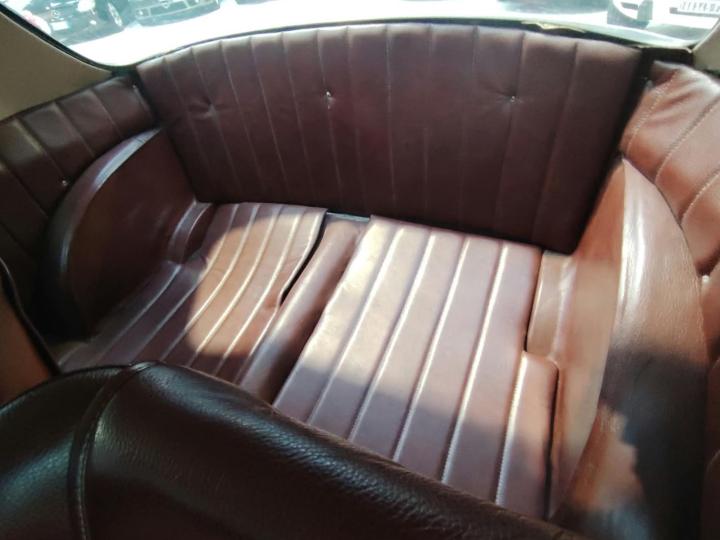
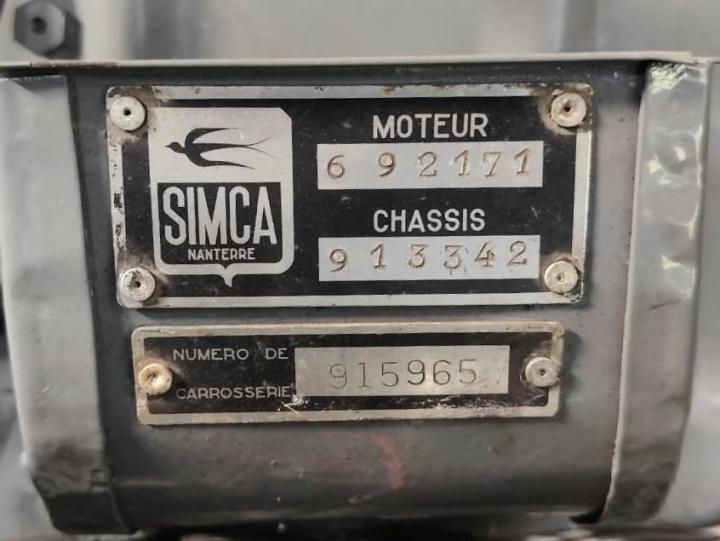
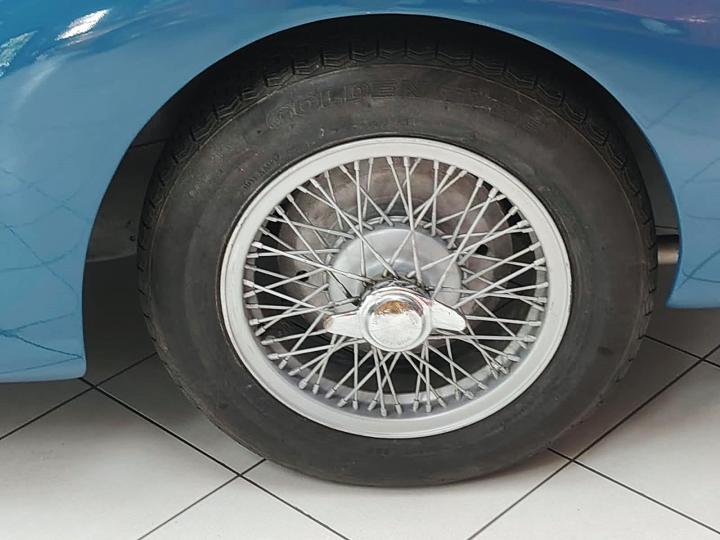
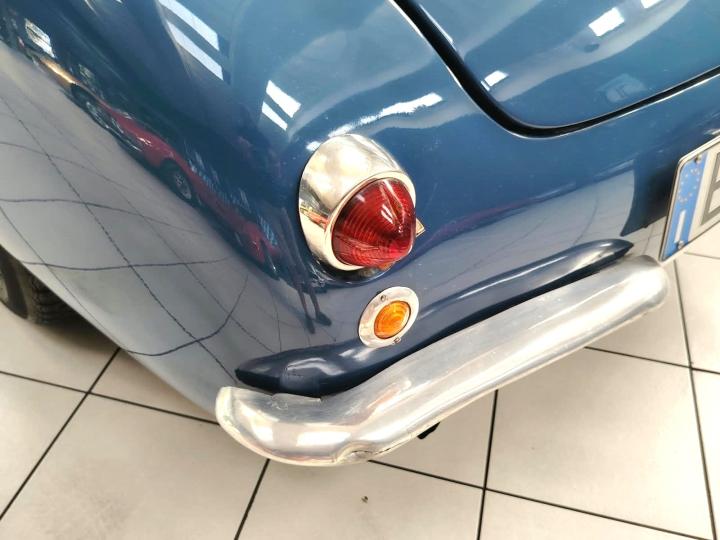
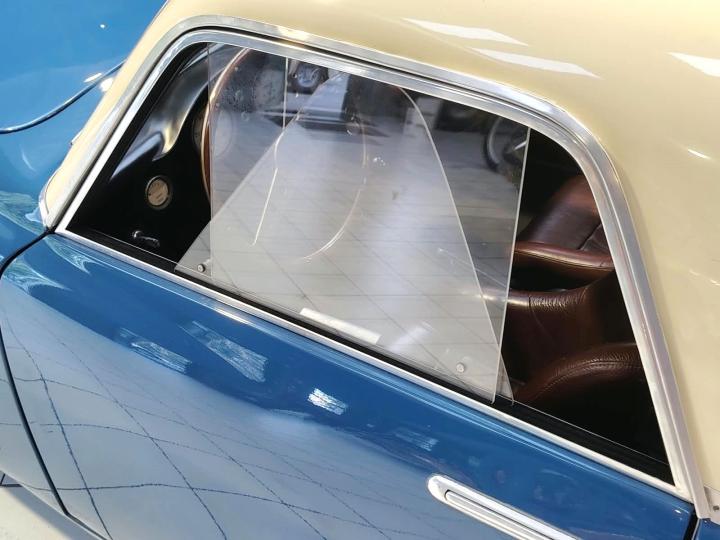
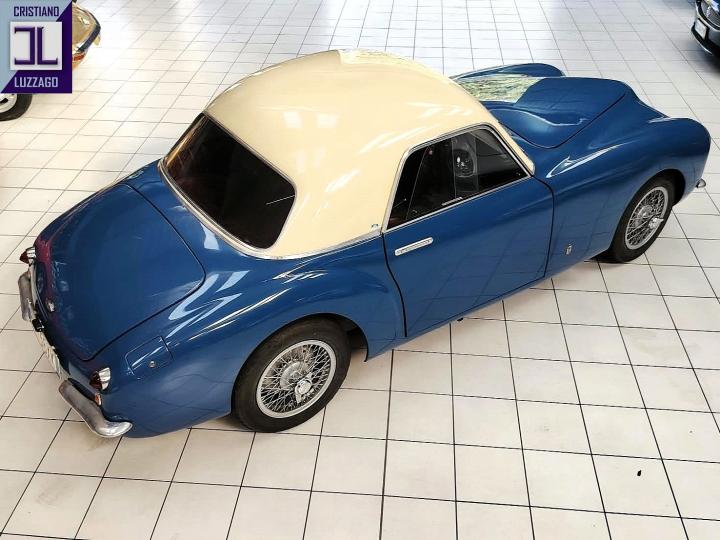
La vettura qui proposta si presenta quindi come un esemplare di particolare interesse storico e collezionistico: una Simca 8 Sport 1200 Coupé del 1951, con telaio 913342, motore di 1.221 cc, elegante carrozzeria francese di impostazione italiana, interni in pelle marrone, carrozzeria blu e ruote a raggi.
Il suo interesse è ulteriormente accresciuto dalla documentazione fotografica integrale del restauro, completato nel 2012, dalla prima immatricolazione italiana nello stesso anno, dal limitatissimo utilizzo successivo al restauro, pari a soli 350 km, e soprattutto dalla presenza della Targa Oro ASI e della Fiche d’Identité FIVA, conseguite nel 2016.
A questi elementi si aggiungono la partecipazione a tre edizioni della Vernasca Silver Flag (2013, 2014 e 2018) e la significativa storia sportiva del modello, che comprende risultati di rilievo al Rallye Monte-Carlo del 1950.
Nel suo insieme, si tratta dunque di una vettura che riunisce rarità produttiva, design italiano, costruzione francese, meccanica di origine Fiat, certificazione storica internazionale, restauro documentato e una concreta tradizione sportiva, caratteristiche che ne fanno un’interessante testimonianza dell’automobilismo europeo del primo dopoguerra.
SIMCA (FIAT) 8 SPORT 1200 SPECIAL COUPÉ – 1951
MAKE: SIMCA (FIAT)
MODEL: 8 SPORT 1200 SPECIAL COUPÉ
YEAR: 1951
CHASSIS: 913342
ENGINE DISPLACEMENT: 1,221 cc
ODOMETER: 350 km
CERTIFICATIONS: ASI Gold Plate Certification; FIVA Identity Card
INTERIOR: Brown leather
EXTERIOR: Blue
ACCESSORIES: Wire wheels
English Description
Rare and elegant 1951 Simca 8 Sport 1200 Coupé, built in France by SIMCA, a manufacturer historically linked to Fiat and producing Fiat automobiles under licence, using mechanical components derived from the Fiat 1100/Simca 8.
The Simca 8 Sport represents one of the most interesting expressions of post-war French motoring: a relatively low-production sporting car characterised by sophisticated Italian-influenced bodywork and Simca mechanical components of Fiat origin. The design originated from the Farina tradition and was developed for French production by Facel-Métallon, the prestigious coachbuilder that would later become famous for the Facel Vega automobiles. Its elegant, aerodynamic styling belongs to the great Italian design tradition of the immediate post-war period and displays clear stylistic affinities with the contemporary Cisitalia 202.
The model was presented to the public in the late 1940s and the 8 Sport was produced in the early 1950s in both coupé and cabriolet forms. The lightweight aluminium body and particularly well-balanced proportions made the car one of the most attractive French Grand Touring cars of its period. Production ended in 1952, when the 8 Sport was succeeded by the new Simca 9 Sport, based on a different platform.
Technical characteristics
The Simca 8 Sport 1200 is powered by a 1,221 cc inline four-cylinder engine, equipped with a Solex carburettor and developing approximately 50 hp at 4,800 rpm. Transmission is by a four-speed manual gearbox with floor-mounted shift, while drive is through the rear wheels. Braking is by drum brakes on all four wheels. The lightweight alloy body helped keep weight to approximately 900 kg, depending on configuration and source. Commonly published specifications include a wheelbase of approximately 2,420 mm, a length of about 4.10 metres, a width of 1.55 metres and a height of approximately 1.30 metres. The quoted top speed is around 135 km/h, a considerable figure for a sporting car of this displacement in the early 1950s.
The 1951 model belongs to a particularly interesting stage in the evolution of the 8 Sport. Early coupés were fitted with a split windscreen; during the model’s development this was replaced by a curved one-piece windscreen, while the front grille was further revised towards the end of 1951. These details help place individual cars within the model’s short production history.
Rarity and historical significance
Total production of the Simca 8 Sport, including coupés and cabriolets and all versions of the model, is generally quoted at approximately 5,165 cars, produced over a relatively short period. This limited original production, combined with the much smaller number of complete and properly preserved survivors today, makes the 8 Sport a particularly interesting collector car.
The car also combines several historically significant elements: Fiat-derived mechanical components, French production, Facel-Métallon coachbuilding, a design rooted in the Farina tradition, and close stylistic links with some of the most celebrated Italian sporting cars of the period. It is therefore a representative example of the intense technical and stylistic exchange between Italy and France in the years immediately following the Second World War.
Historical certifications
A particularly important feature of this specific car is its historical certification dossier.
In 2016, the car was submitted to the ASI Commission, obtaining ASI Gold Plate Certification, one of the most significant recognitions in the Italian historic-vehicle certification system. The same car was also issued a FIVA Identity Card, an internationally recognised document concerning the historical identity of a vehicle.
The combination of the ASI Gold Plate and the FIVA Identity Card therefore represents a particularly valuable element of the car’s documentation, formally recording the recognition of its historical identity and significance by two major historic-vehicle certification systems.
Documented history of this car
This rare Simca 8 Sport, built in France under Fiat licence, was imported into Italy in the 2000s, becoming part of an important collection of historic automobiles.
During its time in Italy it underwent a complete restoration, supported by comprehensive photographic documentation of the work carried out. The restoration was completed in 2012, the same year in which the car was registered in Italy for the first time.
Since completion of the restoration, the car has covered only 350 km, a figure that gives particular significance to its subsequent conservation history and demonstrates the extremely limited use following its restoration.
In 2016 it was examined by the ASI Commission and obtained both the ASI Gold Plate and the FIVA Identity Card.
Vernasca Silver Flag appearances
Following its restoration, the car participated in three editions of the Vernasca Silver Flag, in 2013, 2014 and 2018.
The Vernasca Silver Flag is the historic re-enactment of the Castell’Arquato–Vernasca hill climb, originally held from 1953 to 1972. The modern event is not strictly a timed race, but a dynamic preservation event devoted to historic competition cars, which are driven along the original closed-road course.
The three appearances of this Simca 8 Sport at the event therefore represent an additional noteworthy element of its recent history and confirm that, after restoration, the car was used in dynamic events of considerable importance within the international historic-car scene.
It should be noted that the Vernasca Silver Flag appearances should not be regarded as official racing results, since the modern event is not based on timed competition in the manner of a conventional competitive hill climb.
The Simca 8 Sport in competition
The model itself nevertheless has a genuine and documented sporting history during its original period.
Simca 8 Sports were used in competition and rallying from the early 1950s. Particularly significant was the 1950 Monte Carlo Rally, where Simca 8 Sport 1,221 cc cars prepared by Amédée Gordini were entered. A Simca 8 Sport 1221 driven by José Scaron and R. “Pascal” finished 4th overall, while another Simca 8 Sport 1221, driven by Eugène Chaboud and Marc Angelvin, finished 5th overall. In the same event, a smaller-displacement Simca 8 Gordini also achieved 3rd overall.
The Racing Sports Cars historical database also records 17 entries in 14 events for the Simca 8 Sport between 1950 and 1954, including two second-place finishes and one third-place finish in the results contained in its archive, as well as a class victory. The database itself notes that its records are not necessarily exhaustive of every competition in which the model took part. Racing Sports Cars
Other international competition appearances are also documented, including events in the United States, confirming that the 8 Sport was not merely an elegant road-going coupé but possessed characteristics that allowed it to be used successfully in contemporary sporting activities.
Summary
The car offered here is therefore an automobile of considerable historical and collector interest: a 1951 Simca 8 Sport 1200 Coupé, chassis 913342, with a 1,221 cc engine, elegant French bodywork reflecting Italian design, brown leather interior, blue exterior and wire wheels.
Its interest is further enhanced by the complete photographic restoration documentation, the restoration completed in 2012, its first Italian registration in the same year, its extremely limited subsequent use of only 350 km, and, above all, its ASI Gold Plate and FIVA Identity Card, both obtained in 2016.
These elements are complemented by participation in three editions of the Vernasca Silver Flag (2013, 2014 and 2018) and by the model’s significant sporting history, including notable results in the 1950 Monte Carlo Rally.
Taken as a whole, this is a car combining limited production, Italian design heritage, French construction, Fiat-derived mechanical engineering, international historic certification, documented restoration and a genuine competition pedigree, making it a particularly interesting testimony to European motoring in the early post-war era.